




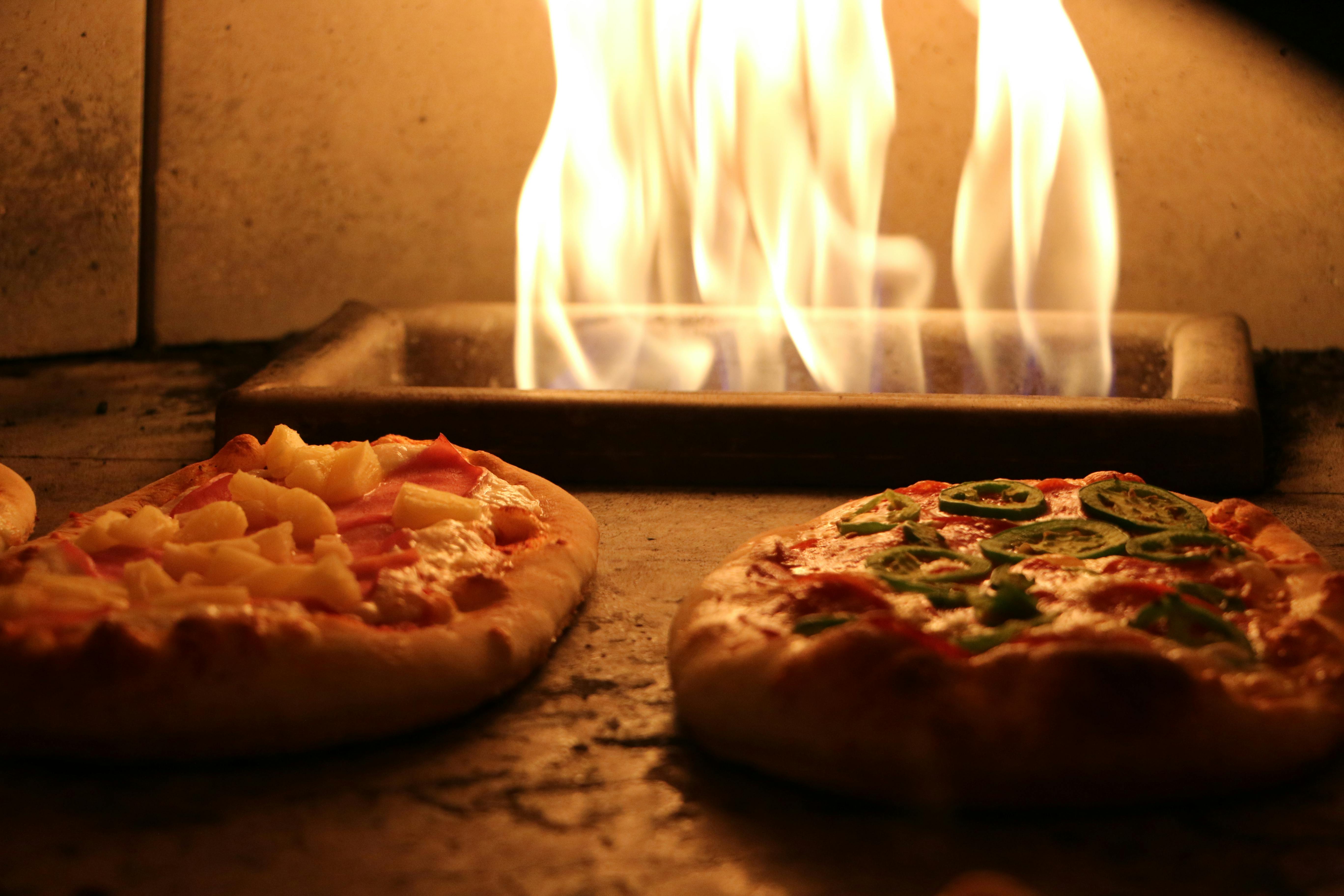

Italian cuisine is among the most popular cuisines in the world, particularly among children. Italian cuisine is an excellent way to start over with healthy eating and an appreciation of culture, thanks to its comforting menu, fresh ingredients, and delectable dishes. Pasta, pizza, risotto, gelato etc, the Italian food is not only filling, but it is also diverse enough to delight even the most critical of palates. Italian dining in Carrum is the best option for children since they will be given the chance to play with the new flavours and tastes, and they will be willing to spend their time at the table with the family. Many families even explore popular italian dishes at tinello carrum and visit carrum’s most loved italian restaurant when introducing kids to new flavours they’ll actually enjoy.
Balanced and nutritious ingredients
This is one of the reasons why Italian food can go so well with kids; it is all about wholesome and balanced foods. One of the primary components of the ancient Italian cuisine includes vegetables, whole grains, lean proteins, dairy, and good fats such as olive oil. Tomato sauces are good sources of vitamins and antioxidants, and such products as pasta, vegetables, grilled chicken and herbs are well mixed and provide a reasonable content of nutrients. Italian food will naturally embrace the concepts of the Mediterranean diet that enhance long-term well-being and health. It is thus simple to provide parents with meals that are nutritious and attractive to young palates.
Fun and engaging presentation
Italian food is considered to be rather colourful and playful in its delivery, which can make mealtime more interesting to children. The vivid tomato sauce reds, the greens of fresh basil and the golden pasta or bread plates appeal to the visual senses of kids. Food should be made fun, such as mini pizzas, pasta bowties, spirals and desserts such as layered tiramisu to make the experience worthwhile. When children are allowed to assemble their own pizzas or sprinkle cheese over pasta, they feel included, too, so that the mealtime becomes an imaginative and interactive experience.
Mild and Adaptable Flavours
Italian food is characterised by soft and soothing tastes that are readily customisable to suit children. Most cuisines are based on the elemental seasoning, which is olive oil, garlic and herbs, as well as fresh tomatoes, as opposed to spices and strong flavours. It is now easier to get children to enjoy it and develop a taste towards the new ingredients slowly. Parents can now make changes to recipes that make them softer, less salty or cheesier as per the preferences of children. Italian cuisine can be adjusted to the comfort level of any child whether it is a creamy risotto, light tomato pasta or something as simple as a plain margherita pizza.
Kid-Friendly Menu Options
An ample number of kid-friendly options can be found in Italian restaurants, as well as in home-cooked meals. It can be spaghetti and meatballs, lasagna, margherita pizza and fettuccine alfredo, among others, which have been previously known and are not complex and liked by children. There would also be something that picky eaters like since the majority of the recipes incorporate common foods, including cheese, bread, and pasta. Also, Italian food is prone to serving small portions or even a side order, such as bread with garlic or a salad, so that the child can have the opportunity to try the different food varieties without being bombarded with them. This sort of diversity guarantees that there is something that every child likes.
Encourages Family Meals
The culture of Italians emphasises family time during meals, and this may have a positive impact on the social and emotional development of children. Sharing a meal is a communication, connection and belonging. Meals are not only necessary but a way for the family to become closer. By having these common experiences, children get to understand the importance of community and also the bliss of eating together. It is a special and caring tradition to the children, and the closeness and companionship of an Italian-style family dinner is priceless.
Teaches about diverse ingredients
The introduction of Italian food will also allow the children to know a great number of ingredients and how they mix in different dishes. Beginning with basil, garlic, and tomatoes and continuing to mozzarella, olives, and sorts of pasta, children will be able to learn about different tastes and textures in a manner which they feel comfortable with and like. Such exposure can broaden their culinary interest and even cause them to visit the foods of other cultures. Children may also be educated about agriculture, geography, and sustainability by being taught about the source of these ingredients (olive groves or wheat fields).
Kids-friendly cooking opportunities
Some of the simplest and most enjoyable foods that children can assist in making are Italian foods. Children are able to knead pizza dough, mould pasta, stir the sauce or sprinkle cheese hence have a practical experience in the kitchen. The practice of cooking combined with other people provides not only the essential skills in cooking but also confidence and creativity. It is an excellent opportunity to have fun with the family and help children have healthy relationships with food. By such activities, children will be able to see that cooking is enjoyable, rewarding and a valuable life skill.
Conclusion
One of the best foods to have with children is Italian food due to the combination of nutrition, taste, fun and bonding of the family. The combination of fresh ingredients, colourful display and its light and flexible meals makes it a very nice balance between health and pleasure. Other than the act of eating, Italian food provides the children with a chance to be educated on cooking, culture and unity. Italian food, whether in the house or in a restaurant, gives children an opportunity to discover the delicacies of food in a manner that enriches both the body and the heart.
About the Author